
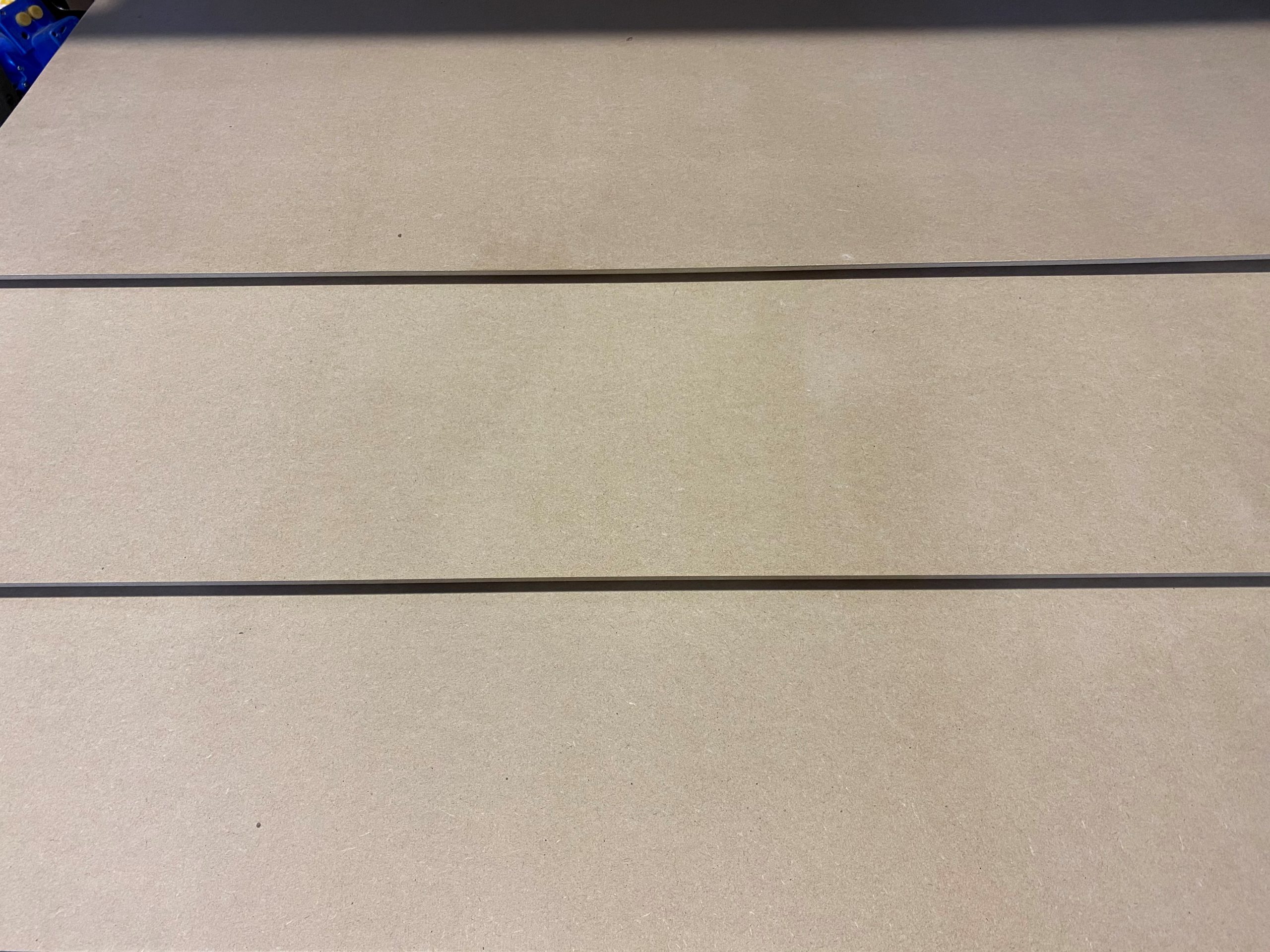
MDF Board Guide: Standard, Moisture Resistant and Fire Retardant MDF Compared
Walk into any timber merchant and ask for MDF board, and the first question you will hear back is “which type?” That is because MDF is not one single product. The same basic material is made in several grades, each suited to a different job, and choosing the wrong one can mean swollen edges, failed inspections or wasted money.
This guide walks through the main types of MDF board available in New Zealand and when to use each.
What is MDF board?
MDF stands for medium density fibreboard. It is made from wood fibres bonded with resin and pressed into dense, flat sheets. Because the fibres are fine and evenly distributed, MDF has a smooth, uniform surface with no grain, which makes it excellent for painting, routing and machining detailed profiles.
It is a cost-effective way to start almost any project, whether you use it on its own or as a base under laminates, veneers and melamine.
Standard (raw) MDF
Best for: painted furniture, interior cabinetry, shelving, routed panels, mouldings and signage.
Raw MDF is the all-rounder. It machines cleanly, takes paint well when properly primed, and is the most economical option. Its weakness is moisture: it should be used indoors in dry conditions, and any cut or routed edge should be sealed.
Browse the range of raw MDF in standard and oversize sheets.
Moisture resistant MDF
Best for: bathroom vanities, laundry cabinetry, kitchen cabinetry and other humid interior spaces.
Moisture resistant (MR) MDF is made with additives that slow water absorption. It is not waterproof, and it should not be used outdoors or where it will sit in water, but it handles humidity and the occasional splash far better than standard MDF. It is commonly identified by a tinted core colour, so check the product data sheet rather than relying on appearance alone.
See our moisture resistant MDF range.
Fire retardant MDF
Best for: commercial interiors, public buildings, wall linings and joinery where fire performance is specified.
Fire retardant MDF is manufactured to meet fire performance requirements for interior applications. If your building consent or specification calls for a fire rating, always confirm the required rating with your designer or building consent authority and check the manufacturer’s documentation before ordering.
Explore our fire retardant MDF options.
Finished MDF: melamine, PVC and veneer
MDF is also supplied with the finish already applied, which removes the painting stage and speeds up fabrication.
- Melamine on MDF: a hard-wearing, easy-clean decorative surface, popular for cabinetry and fit-outs.
- PVC on MDF: a flexible surface that wraps around routed profiles, often used for kitchen doors.
- Veneer on MDF: a real timber face on a stable MDF core. See our post on European oak veneered MDF for an example.
Quick comparison
| Type | Best use | Moisture performance | Main consideration |
| Standard MDF | Painted furniture, shelving, mouldings | Low | Seal all edges, keep dry |
| Moisture resistant MDF | Bathrooms, laundries, kitchens | Better in humid areas | Not waterproof |
| Fire retardant MDF | Commercial and public interiors | Check data sheet | Confirm required rating |
| Melamine on MDF | Cabinetry, wardrobes, fit-outs | Depends on core and edge sealing | Edgetape is essential |
| PVC on MDF | Routed doors, profiled panels | Depends on core | Suited to shaped profiles |
Pro tip: MDF edges soak up paint and primer. Seal them first with a thinned coat of primer, sand lightly once dry, then apply full-strength coats. This gives you a smooth, even edge instead of a rough, fuzzy one.
Working with MDF safely
MDF dust is very fine. Cut and sand in a ventilated space, use dust extraction where you can, and wear a suitable dust mask. For technique advice, read our MDF board tips and techniques for DIY furniture projects.
Frequently Asked Questions About MDF Board
What is MDF board made from?
MDF is made from fine wood fibres bonded with resin and pressed into dense, flat sheets. The even structure gives it a smooth, grain-free surface that suits painting and routing.
Is MDF stronger than plywood?
Not generally. Plywood’s cross-laminated veneers usually give it better strength and screw-holding, while MDF offers a smoother, more uniform surface. Our plywood vs MDF guide compares the two in detail.
Can MDF board be used outside?
No. MDF is designed for interior use and swells if it stays wet. For outdoor projects, use a marine or treated plywood instead.
Is moisture resistant MDF waterproof?
No. It absorbs water more slowly than standard MDF, which makes it suitable for humid interiors, but it should not sit in water or be used outdoors.
Can you screw into the edge of MDF?
Yes, but edges can split. Pre-drill pilot holes, use screws designed for MDF, and avoid fixing too close to the end of the board.
Choosing the right MDF board
Start with where the panel will live. Dry interior, painted finish: standard MDF. Humid room: moisture resistant. Specified fire performance: fire retardant. Ready-finished surface: melamine, PVC or veneer. If you are still deciding between materials, our guide to plywood vs MDF can help.
Not sure which grade your project needs? Contact the Plyman team and we will point you to the right panel.