
Winter in New Zealand brings damp job sites, cold storage sheds, and humidity swings that many builders and DIYers don’t plan for. The real question isn’t whether NZ winter affects plywood, it’s which panels hold up and which ones don’t.
This guide breaks down exactly what happens to plywood in cold and wet conditions, which grades to use, and how to protect your panels when the temperature drops.
Does Cold Weather Affect Plywood Performance in NZ?
Short answer: yes but not all plywood products in the same way. The key factors are moisture content, adhesive type, and how the panel is graded. New Zealand winters are more about dampness and humidity than extreme cold. Auckland winters sit around 8–16°C, but relative humidity frequently exceeds 80%, which is where panel performance really starts to vary.
Cold NZ winters affect plywood primarily through moisture, not temperature alone. Untreated or uncoated panels can absorb humidity, swell, and delaminate over time. Marine-grade and H3.2 treated plywood resist this best. For interior projects in damp spaces, always seal edges and face veneers before use.
How Moisture and Humidity Damage Plywood in Winter
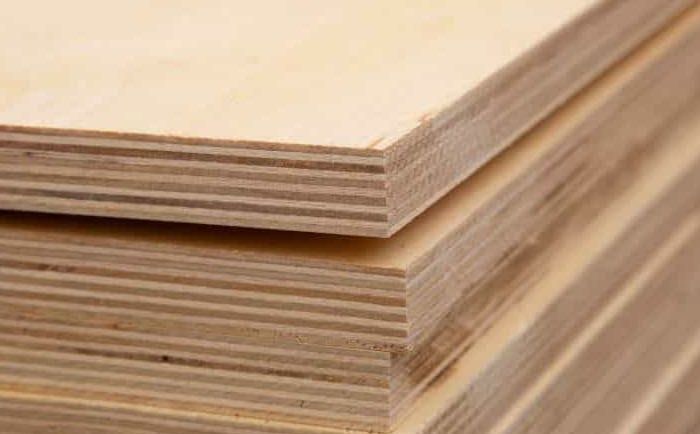
Plywood is a layered product, multiple wood veneers bonded together with adhesive. In winter, two forces work against it:
Moisture absorption:
Wood is hygroscopic, meaning it absorbs and releases moisture in response to the surrounding air. High humidity causes fibres to swell, which can warp panels, raise grain, or cause edge splits.
Adhesive failure:
Low-quality or interior-only adhesives can soften and separate when repeatedly exposed to moisture cycling. This is called delamination and once it starts, the panel’s structural integrity is compromised.
Mould and fungi growth:
Untreated softwood plywood left in poorly ventilated winter conditions is vulnerable to surface mould, especially on rough-sawn grades like D/D pine.
Plywood Grade Guide for NZ Winter Conditions
Not sure which plywood to use for a cold or damp environment? This comparison covers the most-used grades available from Plyman in Auckland.
| Plywood Type | Winter / Cold-Weather Performance |
| Construction Pine (C/D Untreated) | Adequate indoors; avoid prolonged moisture exposure without sealing. |
| H3.2 T&G Treated Structural Pine | Handles exterior & subfloor conditions well; LOSP treatment resists moisture and fungi. |
| Marine Plywood | Best choice for high-moisture environments; WBP (waterproof boil-proof) glue lines resist delamination. |
| Poplar Plywood (Euro) | Lightweight and stable; suitable for interior fit-outs where humidity is controlled. |
| Birch on Poplar | Excellent dimensional stability for furniture and cabinetry; keep sealed in damp spaces. |
| Formply (Econo Poplar Core) | Designed for repeated concrete forming; resin-sealed face resists wet conditions. |
| MDF Panels | Most vulnerable to moisture; keep dry and seal edges — not suitable for damp or outdoor use. |
For any exterior, subfloor, or wet-area application in NZ winter conditions, specify H3.2 treated structural plywood as a minimum. For boat repairs, wet rooms, or any application with standing water risk, step up to marine-grade panels with WBP adhesive.
Which Plywood Is Best for Outdoor Use in New Zealand?
For outdoor or exposed applications in NZ, think decking substrate, weatherboard backing, pergola framing, or shed cladding, H3.2 LOSP-treated structural plywood is the minimum recommended grade. The LOSP (Light Organic Solvent Preservative) treatment penetrates the timber to resist fungal decay and insect attack.
Plyman stocks both C/D H3.2 Treated Pine Structural Plywood and H3.2 Treated Tongue & Groove (T&G) Pine for subfloor applications, the T&G profile is especially useful in winter builds as it reduces the chance of squeaking or movement caused by panel expansion.
The best plywood for outdoor use in New Zealand is H3.2 LOSP-treated structural pine. For high-moisture exposure (boat building, marine environments, or wet rooms), marine-grade plywood with WBP adhesive is the correct specification. Plyman Auckland stocks both.
Does NZ Winter Affect MDF and Melamine Panels?
MDF (medium-density fibreboard) is the panel type most sensitive to moisture. Unlike plywood, MDF has no continuous grain structure, it’s made from compressed wood fibres bonded with resin. In damp winter conditions, unsealed MDF can:
- Swell at edges and face surfaces
- Lose structural integrity and fastener holding strength
- Develop surface bubbling under melamine or laminate coatings
- Become permanently deformed if it dries out unevenly
Plyman’s standard advice: MDF is for interior, controlled environments only. If you’re working on a kitchen or bathroom fit-out in winter, common in NZ renovation season, keep MDF panels indoors, sealed, and away from direct condensation until installation.
Melamine panels offer a more sealed surface, but edge exposure in damp conditions still requires sealing with edgetape or a compatible edge sealant. Plyman stocks edgetape as part of its hardware range.
Best Practices: Storing Plywood Over NZ Winter
Whether you’re a builder holding stock on-site or a homeowner storing off-cuts in the garage, proper winter storage protects your investment in panel products.
On-site storage
- Keep panels elevated: Store plywood on bearers or a pallet, never flat on concrete. Cold concrete draws moisture into the bottom sheets within days.
- Cover and ventilate: Use breathable tarps rather than plastic sheeting. Plastic traps condensation under the stack, creating a warm, wet environment ideal for mould.
- Orient vertically if possible: Standing panels on edge in a dry shed reduces warping from uneven moisture exposure on face vs back.
- Avoid direct sunlight: In winter, solar gain on a cold stack causes uneven drying and face checking.
In-home or workshop storage
- Control humidity: Use a dehumidifier in your workshop if you’re storing decorative panels (birch, UV-coated, or veneered ply). Fluctuating humidity causes face checking on premium grades.
- Acclimatise before use: Bring panels inside 24–48 hours before installation in winter. This allows the panel to adjust to indoor temperature and humidity, reducing post-installation movement.
- Seal cut edges immediately: Fresh-cut edges are the most vulnerable point for moisture ingress. Apply PVA sealer, primer, or edgetape to any cut edge that won’t be immediately protected.
Plywood for Winter Construction Projects in Auckland
Auckland’s building season doesn’t stop in winter but it does change. Rain, damp framing timber, and humid conditions affect how panels perform when installed in partially-built or exposed structures. The most common winter-specific applications for:
Subfloor installation:
H3.2 T&G treated pine structural plywood is the standard for concrete slab or timber joist subfloors exposed to winter weather during the build phase.
Roof sarking:
Structural plywood used under metal roofing needs to handle condensation on the underside. Treated grades are strongly recommended.
Formwork (concrete pours):
Formply with resin-coated faces is designed for repeated wet use. Plyman’s 17mm Formply Econo Poplar Core handles multiple pours in winter conditions.
Tiny homes & caravans:
Lightweight poplar and birch plywood remains popular for tiny home and caravan builds year-round. In winter, ensure all edges and penetrations are fully sealed before fitout.
Shed cladding & lining:
Interior pine lining ply is suitable for sheds if ventilation is adequate. For poorly ventilated garages or farm sheds with temperature swings, treated structural grades are safer.
Why Auckland Builders and DIYers Choose Plyman
Plyman is Auckland’s specialist ply and panel supplier, based at 65 The Concourse, Henderson, with a drive-in warehouse that makes loading easy for trade customers and homeowners alike. As part of the Botica Group, Plyman has direct access to panel supply chains that give Auckland customers access to a consistently stocked, broad product range. What sets Plyman apart for winter panel buying:
Broad grade range in stock:
From budget untreated pine to marine and speciality panels — covering every cold-weather application in one visit.
Trade accounts:
Builders and contractors can apply for a trade account for faster ordering and competitive pricing.
Expert advice:
Unsure which grade suits your project? Plyman’s team provides application-specific guidance particularly useful when spec requirements change for winter conditions.
Offcut bin:
Smaller winter jobs and repairs don’t need full sheets. Plyman’s in-store offcut bin stocks reduced-price off-cuts across grades.
Online ordering:
Browse and order online at plyman.co.nz with delivery available across Auckland and NZ.
Frequently Asked Questions: Plywood in Auckland & NZ Winter
Where can I buy plywood near me in Auckland?
Plyman is Auckland’s dedicated ply and panel specialist, located at 65 The Concourse, Henderson. Drive-in access makes it easy for builders and homeowners to load directly. You can also order online at plyman.co.nz with Auckland-wide delivery.
What type of plywood should I use for exterior projects in NZ?
For exterior use in New Zealand, specify H3.2 LOSP-treated structural plywood as a minimum. This grade resists moisture, fungi, and insect damage, all heightened risks in NZ’s humid winters. For marine or high-moisture environments, use marine-grade plywood with WBP adhesive.
Does plywood warp in winter in NZ?
Yes, untreated or improperly stored plywood can warp in NZ winter conditions due to moisture absorption. The face and back veneers absorb moisture at different rates, causing the panel to cup or bow. To prevent warping: store panels flat, elevated off the ground, ventilated, and sealed on all edges.
What is H3.2 treated plywood and do I need it?
H3.2 is a New Zealand hazard class designation for timber products treated to resist fungal decay, mould, and insect attack in exposed above-ground applications. You need H3.2 treated plywood for subfloors, exterior wall sheathing, roof sarking, and any application where the panel will be exposed to the weather during or after construction.
Is marine plywood available in Auckland?
Yes. Plyman stocks marine and boatbuilding plywood in Auckland. Marine-grade panels use WBP (waterproof boil-proof) adhesive, making them resistant to delamination in persistently wet conditions. They’re used in boat building, wet rooms, and any application requiring the highest moisture resistance.
Can I use MDF outdoors in NZ?
No. MDF is not suitable for outdoor or damp conditions in New Zealand. It absorbs moisture rapidly, swells, and loses structural integrity. For exterior or wet-area applications, use treated structural plywood or marine-grade plywood. Plyman’s team can advise on the right grade for your project.
How do I prevent plywood from getting mouldy in winter?
To prevent mould on plywood in NZ winter: store panels elevated off the ground, use breathable covers rather than plastic sheeting, ensure good ventilation around stacked panels, seal all cut edges, and use H3.2 treated grades for any application where the panel will be exposed to moisture. For already-installed panels, adequate ventilation and moisture barriers underneath are key.
Get the Right Plywood for Your Winter Project, Talk to Plyman
Buying the wrong grade of plywood for a winter job is one of the most common and costly mistakes in NZ construction and renovation. The right panel, stored and installed correctly, performs for decades. The wrong one fails before the job is done.
Plyman’s team at Henderson can help you specify the right product for your project conditions whether you’re a builder on a tight timeline or a homeowner tackling a winter DIY job.
📞 Call: (09) 282 4897
🌐 Web: plyman.co.nz
📍 Location: 65 The Concourse, Henderson, Auckland