
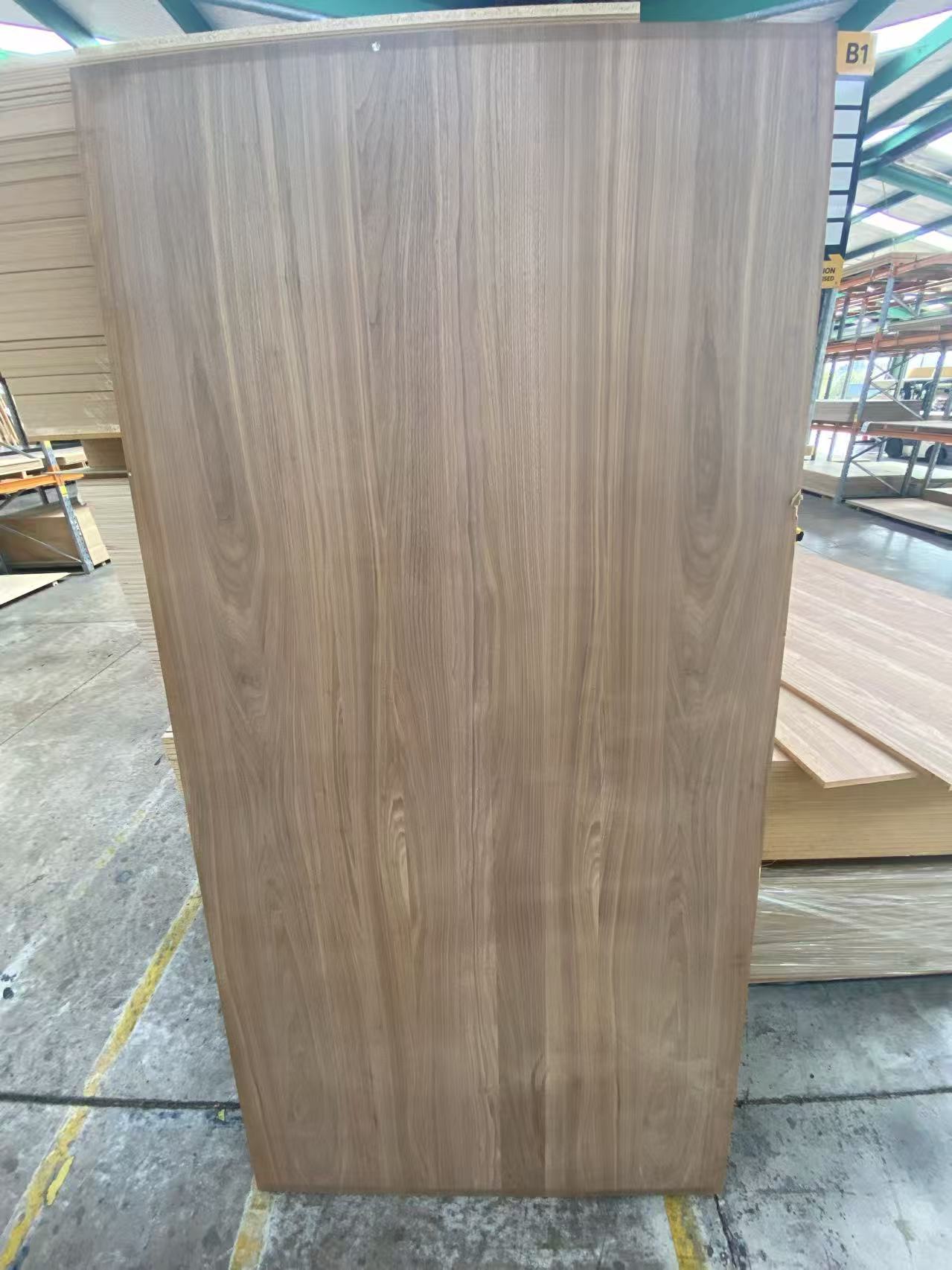
A European Oak veneered MDF sheet offers the warmth of timber with the consistency of an engineered substrate. This product is a high-quality MDF panel finished with mismatched European Oak veneer, giving designers and builders in New Zealand a practical material for refined interior surfaces. Designed for both functional strength and aesthetic appeal, it suits projects where natural grain character, dimensional reliability, and efficient sheet processing all matter.
In specification terms, it can be understood as a European Oak Mismatched Brushed MDF panel: mismatched European Oak veneer, brushed finish, 1F/1B construction, 2440×1220 sheet. That combination makes it relevant for joinery workshops, architectural interiors, and bespoke fit-outs that need the look of oak without relying on solid timber throughout.
What makes this panel suitable for New Zealand interiors?
This panel is suitable for New Zealand interiors because it combines a decorative European Oak surface with the workability of MDF, making it useful for cabinetry, cladding, furniture, and custom design details. The MDF core provides a stable base for machining, cutting, and fabrication, while the veneer gives the finished face a natural timber appearance. For designers and builders working across residential, retail, workplace, or hospitality projects, the result is a sheet material that balances visual quality with practical construction needs.
European Oak has a versatile tone that can sit comfortably in contemporary, minimalist, rustic, or transitional interiors. The mismatched veneer layout adds natural variation rather than a highly uniform book-matched effect, which can help large surfaces feel more organic. In New Zealand homes and commercial spaces, where timber finishes are often used to create warmth and texture, this type of european oak mdf panel can provide a sophisticated but grounded material choice.
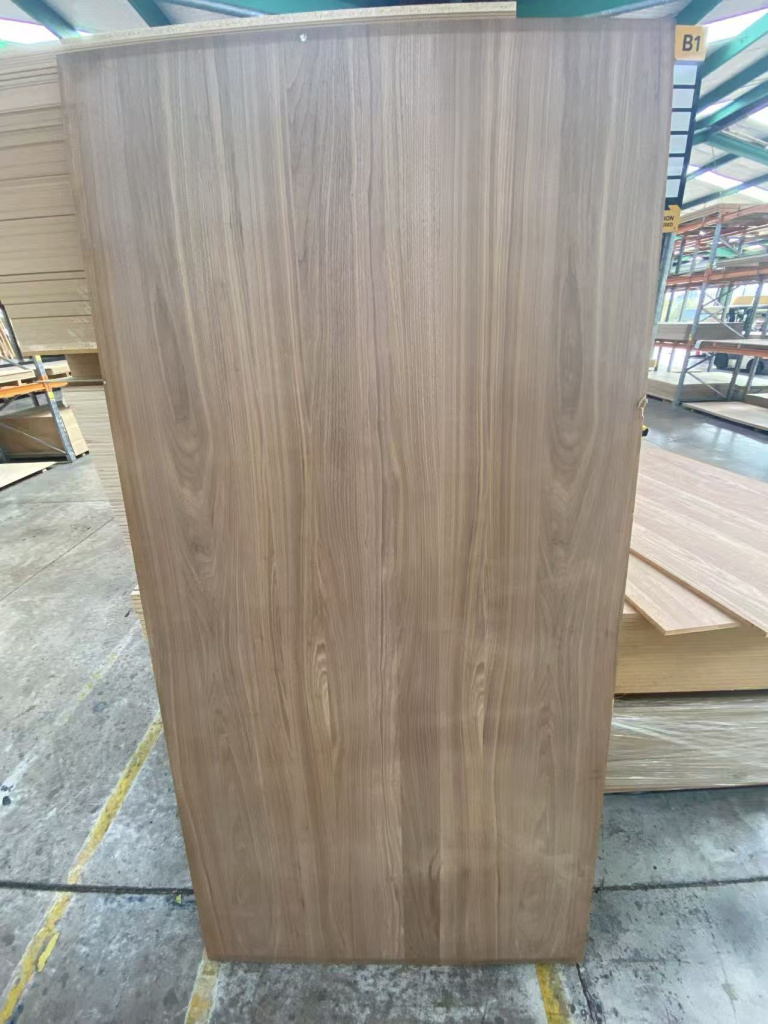
European Oak Mismatched Brushed 1F1B MDF 2440×1220
The value of a mismatched European Oak veneer
A mismatched European Oak veneer uses adjoining veneer leaves without attempting to create a mirrored or perfectly repeated pattern. This approach produces a more relaxed and naturally varied surface, with subtle changes in tone, grain direction, and figure across the sheet. Rather than appearing overly manufactured, the panel retains some of the individuality associated with real timber.
That variation is particularly useful on broad surfaces such as wardrobe doors, reception counters, wall panels, and built-in shelving. A completely uniform surface can sometimes look flat, especially across a large span. Mismatched oak helps break that up visually while remaining refined enough for premium interior work.
For specifiers, the key is to consider how the panels will be positioned, cut, and joined. Grain direction, sheet sequencing, and finishing method can influence the final appearance. When used thoughtfully, mdf wood panels with a mismatched oak veneer can create a composed interior surface that still feels natural and tactile.
How does the brushed finish change the surface?
The brushed surface treatment lightly textures the veneer by drawing attention to the natural grain structure of the oak. This process enhances the grain appearance, making the surface feel more dimensional than a completely smooth veneer face. It can also help the oak catch light in a more nuanced way, giving cabinetry, wall cladding, and furniture components a richer visual presence.
A brushed finish is especially effective with oak because oak has a distinctive grain pattern. By emphasising the grain, the panel gains depth without needing heavy ornamentation. This makes it suitable for interiors that rely on material quality rather than decorative excess.
From a design perspective, the brushed surface can contribute to a more tactile experience. On vertical surfaces such as mdf paneling or feature walls, it introduces quiet texture. On furniture or cabinetry, it can make the surface appear more crafted and considered, particularly when paired with clean lines, recessed handles, or understated hardware.
1F/1B construction supports stability
The panel uses a 1F/1B construction, meaning it has one decorative oak face and a balancing veneer on the reverse side. The front face provides the visible European Oak finish, while the reverse veneer helps balance tension within the sheet. This balancing layer is important because it improves stability and helps reduce the risk of warp.
Veneered panels need balanced construction because the surface materials can respond to changes in environment, processing, and finishing. If one side is heavily veneered and the other is not suitably balanced, the sheet may be more prone to movement. The 1F/1B format is therefore a practical detail, not merely a technical label.
For builders and joiners, this means the panel is better suited to accurate fabrication than an unbalanced decorative sheet. It is still important to use correct storage, acclimatisation, cutting, sealing, and installation practices, but the construction itself supports a more dependable outcome.
Practical applications for designers and builders
The full sheet size is 2440×1220 mm, a familiar format for many joinery and interior construction workflows. This size supports efficient planning for doors, panels, shelving components, and wall lining sections, while helping reduce unnecessary joins when layouts are carefully considered.
Ideal applications include:
- Interior cabinetry: Suitable for kitchen fronts, wardrobe doors, bathroom vanities, storage units, and built-in joinery where a natural oak appearance is desired.
- Wall cladding: Useful for feature walls, reception areas, corridors, retail interiors, and other spaces where timber texture can add warmth and architectural interest.
- Furniture manufacturing: Appropriate for tables, desks, shelving, sideboards, display units, and other furniture elements requiring a decorative oak face over a workable substrate.
- Bespoke design projects: Well suited to custom interiors, hospitality fit-outs, display environments, and detailed architectural features where standard finishes may not provide enough character.
These uses demonstrate why the material appeals to both design-led and construction-led decision-making. The oak veneer supports the visual language of the space, while the MDF core assists with predictable fabrication.
Specification points to confirm before ordering
Before specifying or purchasing the panel, designers and builders should confirm the details that affect performance, appearance, and installation. This is especially important when panels will be used across visible runs or repeated modules.
Useful checks include:
- Sheet orientation and grain direction: Confirm how the oak grain will run across the 2440×1220 mm sheet and how this affects doors, panels, or furniture parts.
- Finish compatibility: Decide whether the surface will receive a clear coating, stain, oil, lacquer, or another finish suitable for the project environment.
- Panel sequencing: For adjacent visible panels, consider whether sheets should be selected or arranged to maintain a pleasing visual flow.
- Edge treatment: Plan whether edges will be lipped, veneered, exposed, rebated, or detailed with another material.
- Site conditions: Store and install panels in suitable interior conditions, avoiding excessive moisture or poor handling that may compromise stability.
- Fabrication method: Use appropriate tools and workshop practices to maintain clean cuts and protect the decorative face.
These checks do not complicate the product; they help ensure the finished work reflects the quality of the material.
A balanced material for refined interior work
A European Oak Mismatched Brushed MDF panel gives New Zealand designers and builders a useful middle ground between natural timber aesthetics and engineered sheet practicality. Its mismatched European Oak veneer provides organic variation, the brushed finish enhances the grain, and the 1F/1B construction supports stability by using a balancing veneer on the reverse side.
For cabinetry, wall cladding, furniture manufacturing, and bespoke design projects, it offers a measured blend of appearance and function. When specified with care and fabricated correctly, this type of european oak mdf panel can contribute warmth, texture, and durable visual appeal to a wide range of interior spaces.