

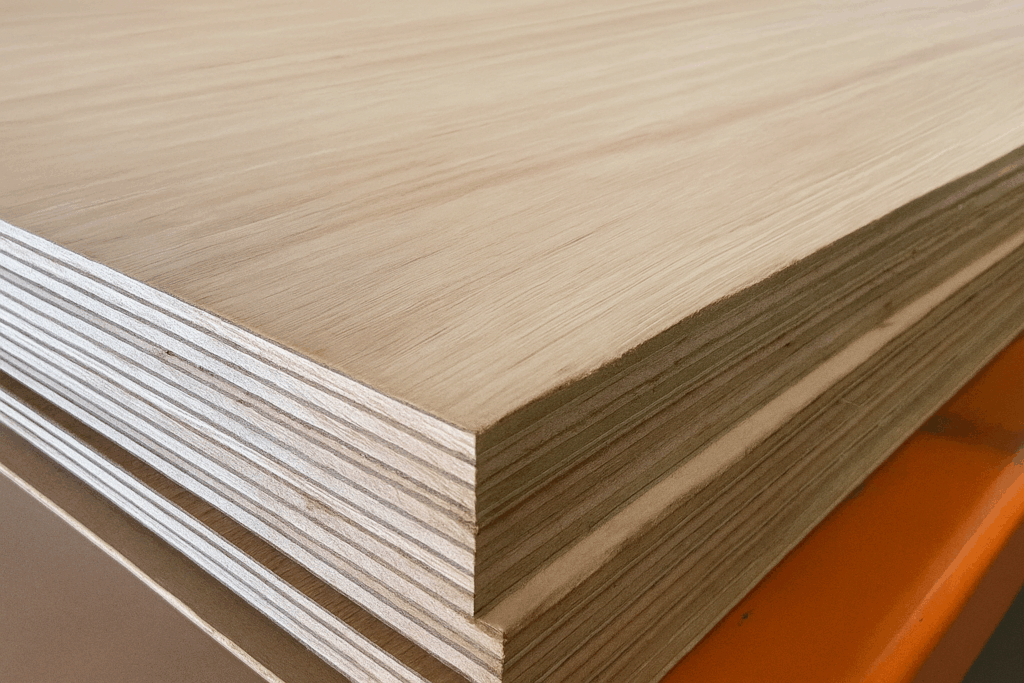
Difference Between Structural and Non Structural Plywood
The core difference between structural and non-structural plywood comes down to glue bond type, load-bearing capacity, and the NZ/Australian standard it’s manufactured to.
- Structural plywood uses A-Bond or B-Bond adhesives, is graded to AS/NZS 2269, and is designed to carry loads in roofing, flooring, and wall bracing.
- Non-structural plywood uses C-Bond or D-Bond adhesives, is graded to AS/NZS 2270, and is intended for interior applications like cabinetry, furniture, and wall linings where appearance matters more than strength.
If your project carries weight, bears stress, or sits exposed to moisture, you need structural plywood. If it’s about looks and light use indoors, non-structural is the right (and more economical) choice.
Structural vs Non-Structural Plywood: Side-by-Side Comparison
| Feature | Structural Plywood | Non-Structural Plywood |
| NZ/AU Standard | AS/NZS 2269 | AS/NZS 2270 |
| Glue Bond | A-Bond or B-Bond | C-Bond or D-Bond |
| Load-Bearing | Yes | No |
| Moisture Resistance | High (A-Bond = weatherproof) | Low — interior use only |
| Stress Rating | F-rated (F8, F11, F14, F17) | No structural stress rating |
| Face Grade | CD (functional) | A, B, or C (aesthetics) |
| Core Density | Higher — denser species | Variable |
| Typical Uses | Roofing, flooring, bracing | Cabinetry, furniture, linings |
| Cost | Higher | More economical |
| Stamp/Mark | Required by standard | Not present |
| Stamp/Mark | Required by standard | Not present |
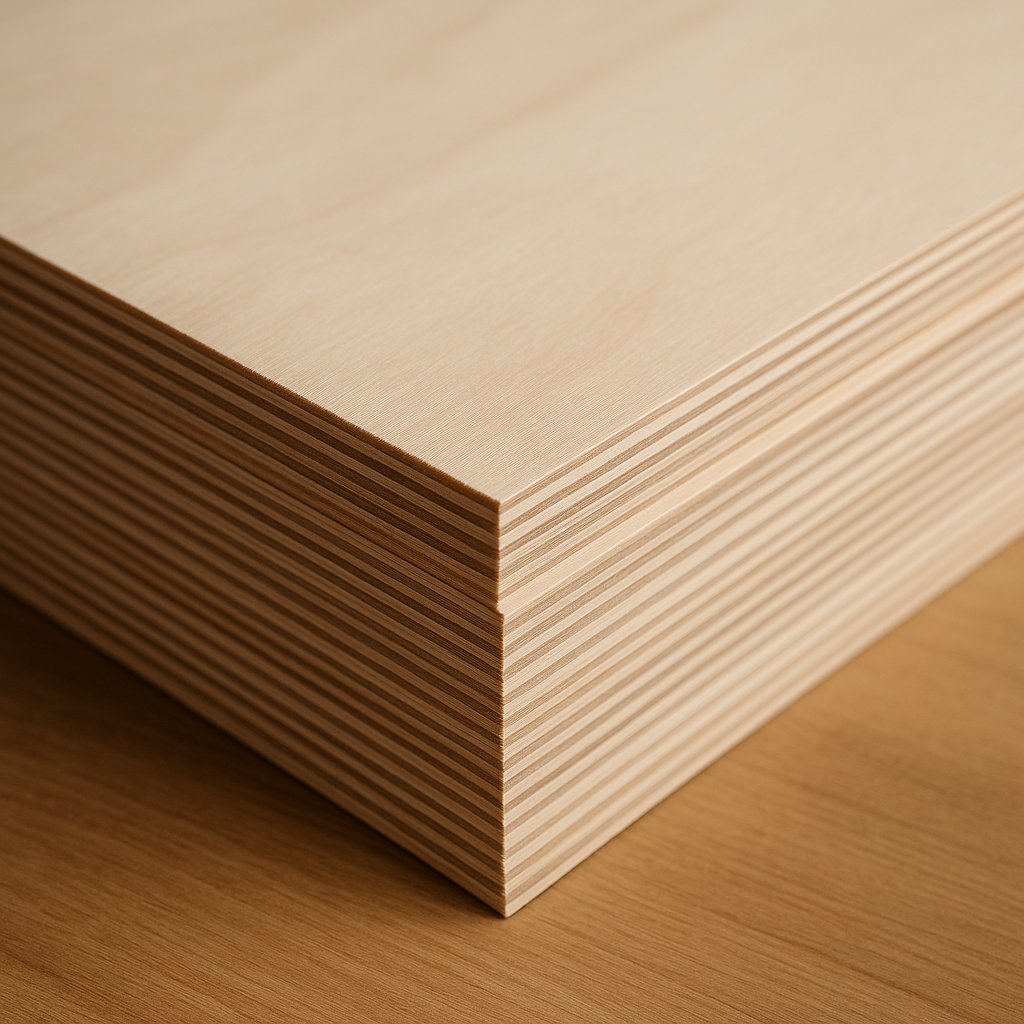
What Is Structural Plywood?
Structural plywood is engineered specifically for load-bearing and high-stress applications. Every sheet is manufactured and tested to meet strict performance standards, ensuring it can handle the demands of real construction environments.
Key characteristics of structural plywood:
- Manufactured to AS/NZS 2269 (the NZ/Australian structural plywood standard)
- Bonded with A-Bond (phenol formaldehyde resin) or B-Bond (melamine-urea formaldehyde) adhesives, both moisture and weather resistant
- Graded on both faces (e.g. CD grade, C face, D back)
- Often made from denser species such as radiata pine, hoop pine, or hardwood
- Carries an F-rating indicating stress grade (e.g. F8, F11, F14, F17)
- Stamped with the manufacturing standard on the back or edge
Common uses:
- Roof decking and sarking
- Structural flooring and subflooring
- Wall bracing panels
- Concrete formwork
- Floor cassettes and engineered flooring systems
At Plyman NZ, our structural plywood range includes sheets suitable for projects from small domestic builds to large commercial construction, all sourced to NZ standards.
What Is Non-Structural Plywood?
Non-structural plywood is designed for interior applications where aesthetics and utility come first, not load-bearing performance. It is not rated or tested for structural use and should never be substituted for structural plywood in load-bearing applications.
Key characteristics of non-structural plywood:
- Manufactured to AS/NZS 2270 (plywood and veneer, non-structural)
- Bonded with C-Bond or D-Bond adhesives (urea formaldehyde resins)
- Smoother, more uniform face veneers, better for painting and finishing
- Lighter weight and often more affordable
- Not suitable for exterior or moisture-exposed applications
Common uses:
- Kitchen cabinetry and wardrobe interiors
- Furniture construction (desks, shelving, benches)
- Interior wall linings and feature walls
- Ceiling linings
- Decorative panels and fit-out joinery

The Glue Bond: Why It’s the Single Most Important Difference
The type of adhesive used to laminate the plies is what separates structural from non-structural plywood and it matters more than thickness or species alone.
A-Bond (Structural — Best)
- Made from phenol formaldehyde resin
- Fully weatherproof and durable under long-term stress
- Ideal for permanent exterior structural applications
B-Bond (Structural — Good)
- Made from melamine-urea formaldehyde
- Durable in wet conditions but best with some weather protection
- Used in exterior door skins, concrete formwork, and bracing
C-Bond (Non-Structural)
- Offers reasonable humidity resistance for interior use
- Not suitable for load-bearing or exterior applications
D-Bond (Non-Structural)
- Standard interior adhesive
- Will deteriorate if exposed to moisture or temperature fluctuations
How to Read Structural Plywood Grading in NZ
Structural plywood is graded by two systems working together:
1. Face Veneer Grade (Appearance)
The letter combination on a sheet indicates the quality of each face:
- A — Clear, smooth, virtually defect-free
- B — Minor defects, filled and sanded
- C — Visible knots and defects permitted (structural face standard)
- D — More defects permitted, rough surface (structural back standard)
CD grade is the most common structural sheet, a C-grade face and D-grade back. It’s used widely in flooring, roofing, and bracing where finish isn’t a priority but strength is.
2. Stress Grade (Structural Strength)
The F-rating tells you how much load the sheet can bear:
- F8 — Suitable for standard residential flooring
- F11 — General structural use, wall bracing
- F14 — Higher load applications
- F17 — Heavy commercial and engineering applications
How to Tell Structural from Non-Structural Plywood on Site
Not sure what you’re looking at? Here’s how to check quickly:
- Look for the stamp. Every structural sheet must be stamped with AS/NZS 2269, the F-rating, and the bond type. If you can’t find it, it isn’t structural.
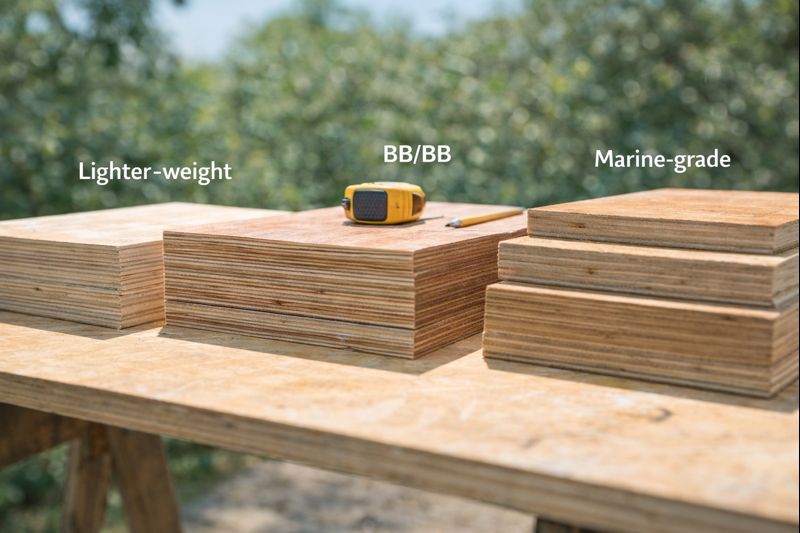
- Check the edge. Structural plywood often shows tighter, more consistent veneer layers with fewer voids.
- Ask your supplier. At Plyman NZ, our team will confirm the grade, bond, and standard of every sheet we stock.
When to Use Structural Plywood and When You Don’t Need It
Use structural plywood when:
- The sheet will be load-bearing (roofing, flooring, wall bracing)
- The sheet will be exposed to moisture or weather
- Your build must comply with NZ Building Code structural requirements
- A structural engineer or architect has specified a grade and F-rating
- You’re working on concrete formwork
Non-structural plywood is the right choice when:
- The application is purely interior and aesthetic
- The sheet carries no structural load (cabinetry, wall linings, furniture)
- You want a cleaner, smoother surface for painting or veneering
- Budget is a priority and structural performance isn’t required
Common Mistakes When Choosing Between Structural and Non-Structural Plywood
Mistake 1: Buying non-structural plywood because it’s cheaper, then using it in a structural role.
This is a compliance and safety issue in NZ. Non-structural plywood does not meet the NZ Building Code for load-bearing applications, regardless of how thick it is.
Mistake 2: Assuming thicker = structural.
A 25mm non-structural sheet is still non-structural. Thickness alone does not determine structural suitability. The bond type and standard marking do.
Mistake 3: Using structural plywood for interior joinery and paying a premium unnecessarily.
If you’re building a wardrobe or kitchen cabinet, a high-quality non-structural interior ply gives you a better finish at a lower cost.
Mistake 4: Ignoring the F-rating.
The F-rating determines how much load a structural sheet can carry. Using F8 where F14 is specified is a specification failure, always confirm the engineering requirement first.
Frequently Asked Questions
Q: Can I use non-structural plywood for flooring?
No. Flooring requires structural-grade plywood rated to the appropriate F-rating for the span and load. Non-structural plywood will degrade under foot traffic and load over time and does not meet NZ Building Code requirements for structural flooring.
Q: Is marine plywood the same as structural plywood?
Not exactly. Marine plywood is manufactured to a very high standard (typically A-Bond, void-free core) and can be structural, but it is a specialist grade designed for permanent exposure to water. Not all structural plywood is marine grade, and not all marine plywood carries a structural F-rating.
Q: What’s the cheapest structural plywood option in NZ?
CD grade structural plywood (F8 or F11, A-Bond) is generally the most economical structural sheet for standard residential builds — flooring, bracing, and roofing.
Q: How do I know if my plywood is NZ Building Code compliant?
Check for the AS/NZS 2269 stamp, F-rating, and bond type on the sheet. If you’re unsure, bring the sheet details to Plyman and we’ll confirm suitability for your application.
Plyman NZ: Auckland’s Structural and Non-Structural Plywood Specialists
At Plyman NZ, we’ve been helping New Zealand builders, tradies, designers, and DIYers choose the right plywood since our founding. We stock a full range of both structural and non-structural grades and our team knows the difference inside out.
Whether you’re framing a floor, building a deck, fitting out a kitchen, or crafting custom furniture, we’ll make sure you walk away with the right sheet for your project. Browse our full structural and non-structural plywood range.
Why NZ builders trust Plyman:
- Extensive range of structural plywood (CD grade, F8–F17, A-Bond and B-Bond)
- Premium interior and non-structural panels for joinery and fit-out
- Expert in-store advice, no jargon, straight answers
- Drive-in convenience in Henderson, Auckland
- Trade accounts and competitive trade pricing available