
Whether you are building a custom runabout to explore the Bay of Islands, upgrading the cabinetry in a coastal bach, or designing high-end bespoke furniture, choosing the right timber panel is critical. New Zealand’s coastal lifestyle demands materials that can withstand high UV exposure, biting salt spray, and extreme humidity shifts. From the icy waters of the Foveaux Strait to the humid summers of Northland, your building materials must be uncompromising. For New Zealand builders and DIY enthusiasts, navigating the myriad of marine panels on the market can be challenging. However, one specific product consistently stands out for its balance of strength, aesthetic appeal, and workability: Meranti plywood.
Specifically, the Meranti plywood: 12mm Meranti Ultra B/BB BS1088 (2440 x 1220) marine plywood is a top-tier choice for structural and decorative applications alike. In this guide, we will explore the precise specifications of this exceptional hardwood panel, delve into its best uses, and outline essential handling and sealing practices tailored to the demanding New Zealand climate.
Unpacking the Specifications: What Makes Meranti Stand Out?
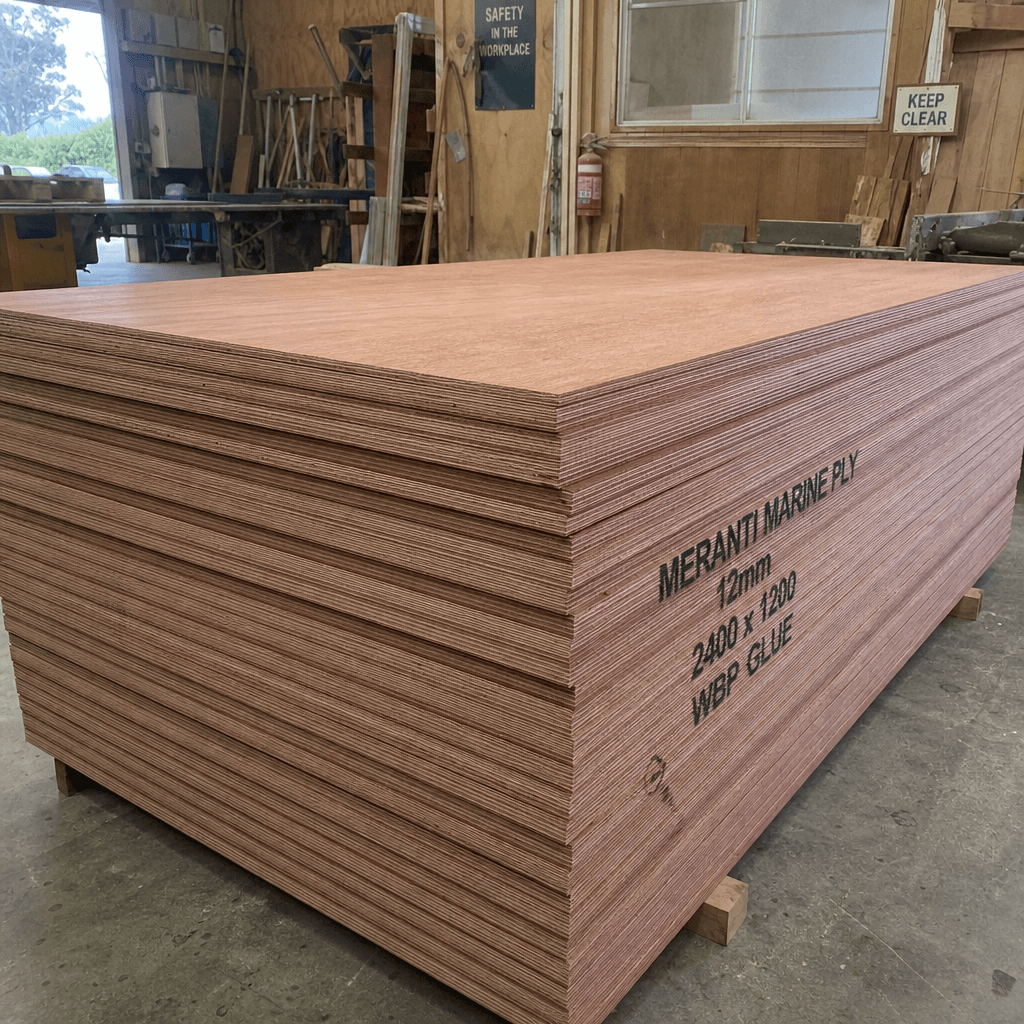
Meranti marine plywood is crafted from highest quality, high-strength natural rotary peeled Meranti veneers. By using the same species throughout the panel’s core and face layers, manufacturers ensure sound construction with uniform expansion and contraction rates. Most premium plywood meranti available in New Zealand is sourced from Malaysia or Indonesia, offering an excellent option for those focused on sourcing sustainable tropical hardwood marine boards. By selecting responsibly managed timber, buyers can ensure their projects remain environmentally sound while utilizing a species that has been a staple in global marine construction for decades.
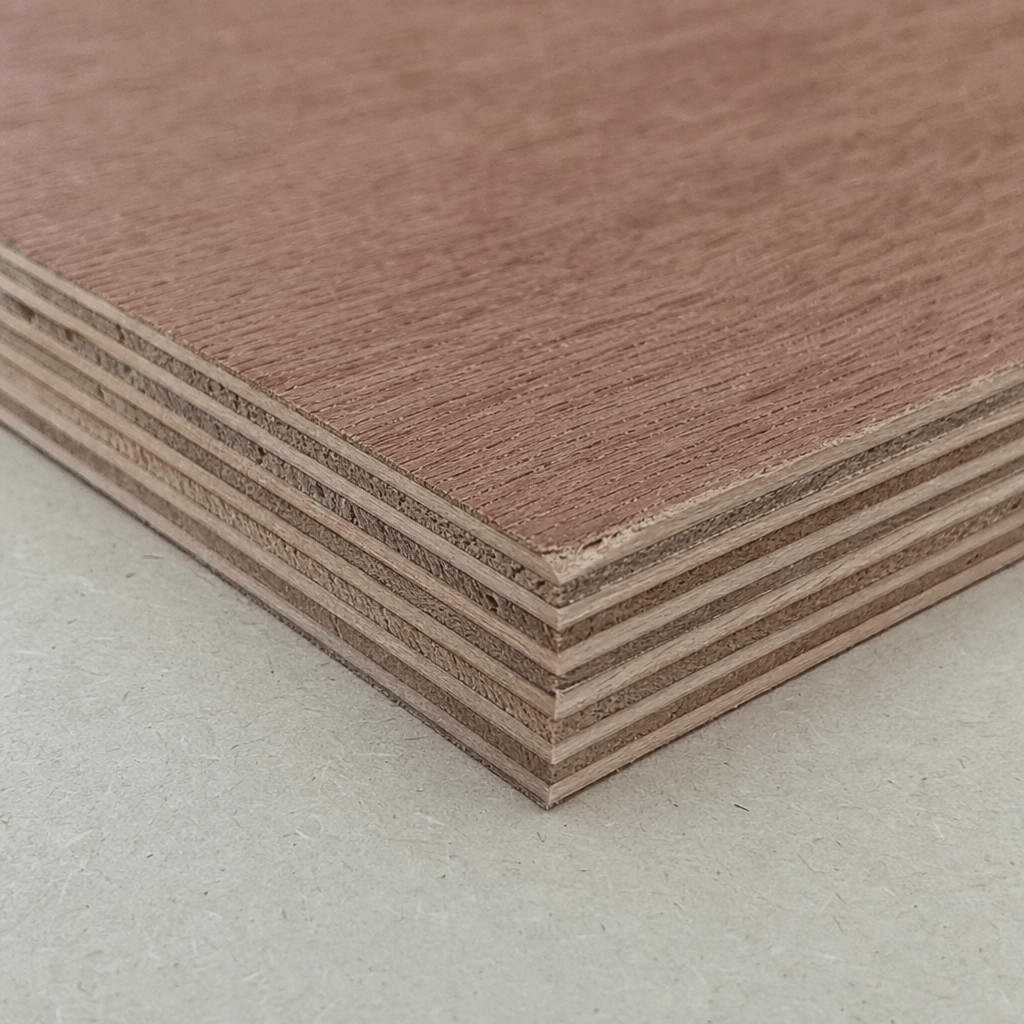
For structural applications, the 12mm variant is particularly popular. This panel features a robust 7-ply construction. When evaluating the weight of 2440 x 1220 marine plywood sheets, a standard 12mm thick board weighs in at approximately 19.0 kg. This manageable weight, paired with exceptional rigidity, ensures the structural integrity of 12mm hardwood marine panels in highly demanding environments.
Visually, Meranti is stunning. It boasts a beautiful colour spectrum ranging from a warm mid red-brown to a deep, full red. The surface texture is typically even medium or semi-grainy, making it a highly attractive option for interior designs where edges are intentionally left visible.
Decoding BS1088 and Grading Standards
When selecting panels for aquatic environments, understanding BS1088 compliance for marine construction is non-negotiable. The BS1088 marine plywood specifications mandate rigorous manufacturing controls to prevent core voids and ensure long-term durability.
Under strict BS1088 standards, premium sheets typically feature A/B faces and a B/C selected core. However, the market also widely utilizes B/BB faced sheets depending on the specific product line. Understanding the difference between B/BB and A/B grade plywood is helpful for cost-effective project planning. A/B panels offer an unblemished, premium face (A) with a highly refined back (B), ideal for clear-finishing both sides. Conversely, B/BB panels (such as the Meranti Ultra B/BB) provide a flawless or near-flawless face (B) with a back (BB) that may contain minor, neatly repaired knots or slight color variations. The common uses for B/BB face grade plywood include painted cabinetry, boat hull interiors, and structural joinery where one side is ultimately hidden.
A core component of BS1088 compliance is the adhesive. Meranti marine panels utilize a phenolic formaldehyde WBP (Weather and Boil Proof) / A-bond glue. The waterproof properties of WBP phenolic glue are verified through a stringent testing process. During this rigorous 72-hour boil test, sample panels are submerged in continuously boiling water. If the glue line fails or shows signs of separation, the batch is rejected. For Kiwi boat builders, this guarantees that even if water breaches the protective coatings, the internal integrity will hold. Coupled with a dense composition of 480-500 kg/m³, this plywood offers unparalleled structural resistance.
Meranti vs. Other Common Plywoods
How does Meranti stack up against other popular panel products on the New Zealand market?
When looking at a Meranti vs Okoume marine plywood comparison, builders quickly note that while Okoume is slightly lighter and highly flexible, Meranti offers superior mechanical strength, higher density, and better impact resistance. This makes Meranti the superior choice for heavy-duty structural components.
Another common question among DIYers is: is Meranti plywood better than Birch for exterior use? Absolutely. While Birch offers fantastic strength and a clean finish for interior dry joinery, it lacks natural rot resistance. Even with waterproof glue, Birch veneers degrade quickly when exposed to weather. Meranti possesses a far better natural resilience against the elements, making it vastly superior for outdoor or high-moisture applications.
Furthermore, builders must consider workability. The bending radius of 12mm hardwood plywood is generally more restricted than thinner panels, but Meranti still allows for the gentle sweeping curves necessary in boat building and bespoke architectural joinery, provided proper techniques are used.
Top Applications in New Zealand
Given its robust 7-ply construction, stunning red hue, and dependable WBP adhesive, Meranti is incredibly versatile.
- Boat Building: From small dinghies to luxury offshore cruisers, it serves as the backbone for bulkheads, cabin soles, and rigid hull framing.
- Joinery and Furniture: The semi-grainy texture and solid core make it perfect for bespoke furniture. New Zealand designers love leaving the 7-ply edges exposed, sanded, and oiled for a striking architectural detail.
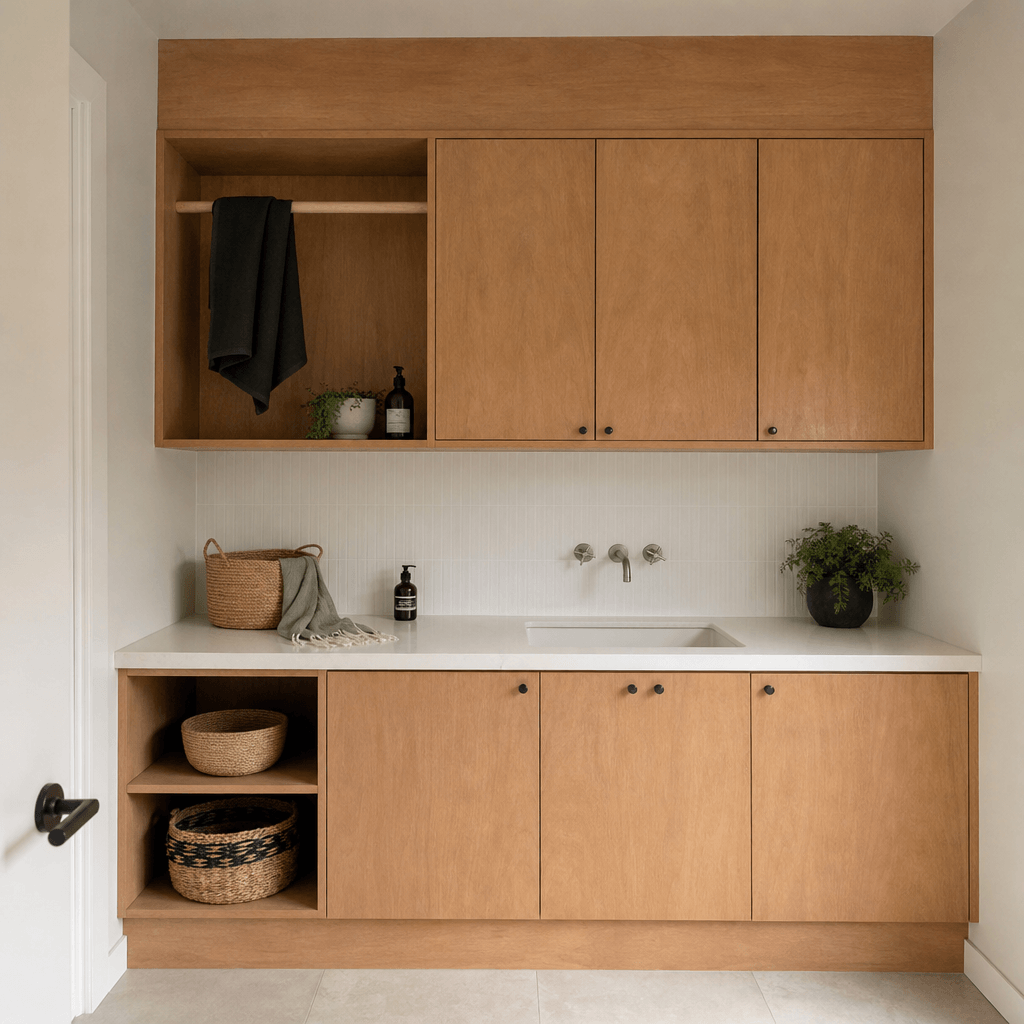
- Wet Area Cabinetry: It is widely considered the best plywood for wet area cabinetry. In modern Kiwi homes, using this material for bathroom vanities or laundry units guarantees that occasional plumbing leaks will not result in swollen, ruined cabinets.
Best Practices: Sealing and Finishing
Despite its high quality, Meranti marine plywood is officially classed as “moderately durable” in its raw state. To maximize its lifespan in harsh environments – especially marine settings – comprehensive sealing is strictly required.
If you are wondering how to seal Meranti plywood for boat building, the industry standard is complete encapsulation using a high-quality, two-part marine epoxy system.
- Edge Sealing: The end-grain edges are always the most vulnerable points. Coat all exposed edges with unthickened epoxy at least two to three times, allowing each coat to soak in until the wood fibers are fully saturated.
- Face Sealing: Apply two even coats of epoxy to the face and back veneers to lock out moisture effectively.
- Sanding & Prep: Before applying epoxy, ensure the timber is completely dust-free. Once cured, lightly sand the epoxy base using 80 to 120-grit sandpaper to create a strong mechanical bond for your subsequent topcoats.
When finishing Meranti Ultra for UV resistance, epoxy alone is never enough. The harsh New Zealand sun will rapidly degrade exposed, unprotected epoxy. You must apply a high-quality marine spar varnish (for a clear, natural wood look) or a premium two-part polyurethane marine paint over the epoxy base. This critical step protects the epoxy from UV rays while beautifully showcasing the panel’s rich mid red-brown color.
Storage and Handling in the New Zealand Climate
New Zealand’s fluctuating climate requires careful material management. Proper handling is essential for preventing delamination in marine grade panels before they are even installed into your project.
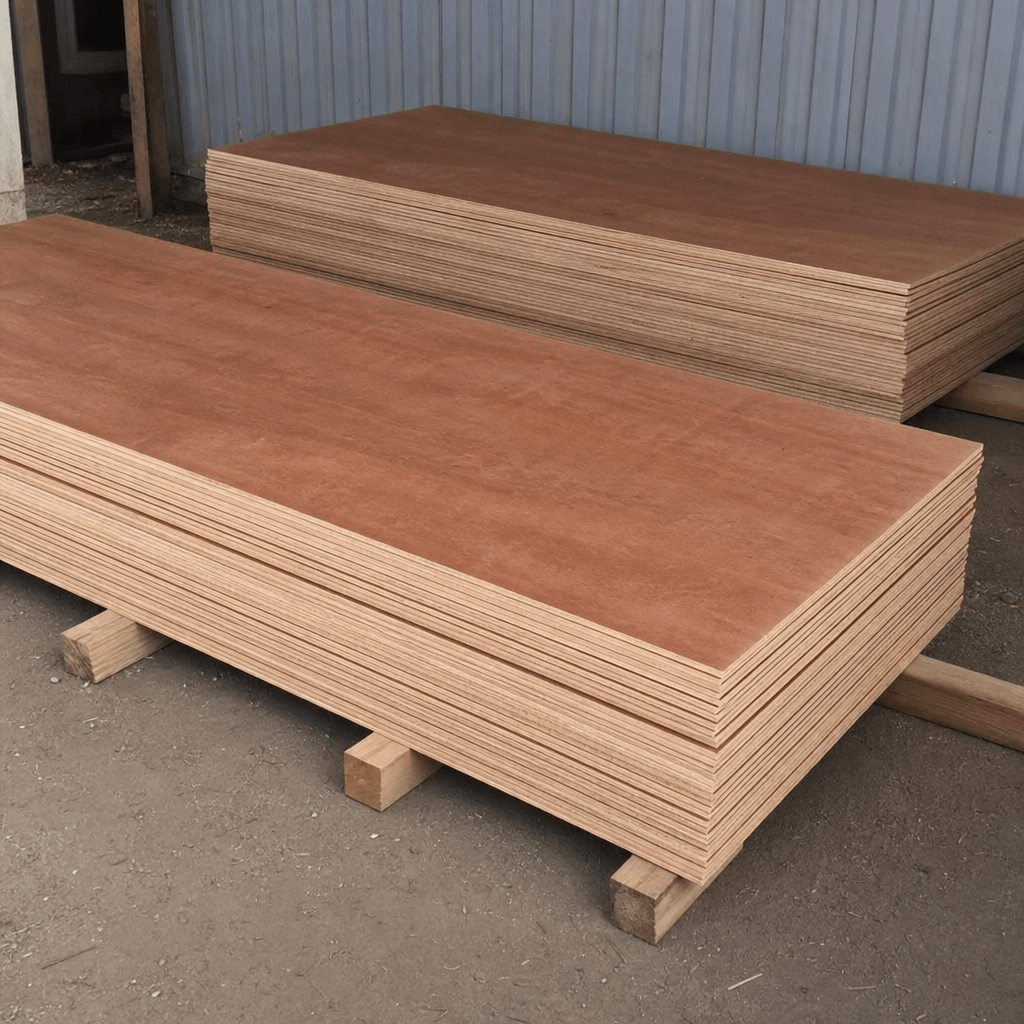
- Flat Storage: Always store your 2440 x 1220 mm sheets perfectly flat. Keep them elevated off the cold concrete floor using evenly spaced bearers (ideally placed every 600mm) to prevent bowing and distortion.
- Moisture Control: Keep panels in a dry, well-ventilated workshop. If they must be stored outside temporarily, completely cover them with a breathable waterproof tarpaulin, ensuring air can circulate freely underneath to prevent condensation buildup.
- Acclimatization: Before measuring, cutting, or installing, allow the meranti plywood to acclimatize to your specific workshop’s humidity for at least 48 to 72 hours. This significantly reduces the risk of the wood warping or shrinking after the panel has been cut into precision pieces.
Conclusion
Investing in high-quality materials is the foundation of any enduring build. The Meranti plywood: 12mm Meranti Ultra B/BB BS1088 (2440 x 1220) marine plywood offers a brilliant fusion of structural reliability, aesthetic warmth, and excellent workability. By fully understanding the rigorous BS1088 grading standards, respecting its moderately durable nature, and applying correct epoxy sealing techniques, Kiwi builders can ensure their marine and joinery projects stand the test of time against the harsh elements. Whether you are constructing custom wet area cabinetry or an ocean-going vessel, Meranti remains an undisputed champion of the plywood world, delivering performance that you can rely on for decades.